
A Mediterranean kitchen is built from natural, textured materials such as clay tile, plastered walls, stone and wood, in a palette borrowed from clay, stone and sea. A Tuscan kitchen is its darker, more ornate cousin, and the modern version of both is lighter and cleaner. The look is easy to love on a photo and harder to live with, because three of its signature materials need a maintenance plan.
This guide is written for homeowners in Sonoma, Napa and Marin who are drawn to the style. It describes a design language, not a local market. It found no source tying the style to a particular county and no independent price data for these materials, so it makes no local claims and gives no prices. For the bigger question of direction, our guide to warm versus sleek kitchen aesthetics is a useful starting point.
Mediterranean and Tuscan are not the same kitchen
People use the two words as if they were one style. PureWow, a lifestyle publication, wrote in March 2024 that Tuscan kitchens were all the rage in the early 2000s and are now being reworked with a coastal spin. Its comparison is the clearest sorting of the two, and the table pulls out its main points.
| Element | Tuscan | Modern Mediterranean |
|---|---|---|
| Cabinets | Deep-brown paneled, corbels | Light oak |
| Hood | Corbels and detail | Clean-lined, or a carved nook in stone |
| Stove | Ornate gas range | Sleek induction cooktop |
| Surfaces | Brick floors and backsplash, granite | Limestone walls, Calcutta marble or travertine |
| Color | Brown, terracotta, copper | Taupe and ecru, honey, pops of blue or muted green |
The split matters for planning. A Tuscan kitchen layers ornament onto a dark base, so it leans on detailed woodwork and heavier metals. The modern version removes much of that detail and lets stone and texture do the work, which also makes it easier to edit later. Our overview of kitchen design trends shows how fast preferences move, which is a reason to lean modern if you plan to stay a long time.
Origins of the style in California
The vocabulary is older than any trend. The U.S. National Park Service describes how, by the late 19th century, California architects began drawing on the state’s Spanish Colonial mission heritage, with thick white stucco walls, red clay roofs and arched doorways. The plain exterior carried little ornament, and deep window openings carried the shadow.
That plainness is the useful lesson for a kitchen. The style works through mass, texture and shadow more than through decoration. A thick plaster wall, one arch and a clay floor say more than ten decorative accents. If a wine room is part of your plan, our guide to wine cellar inspiration covers temperature and display separately from the kitchen.
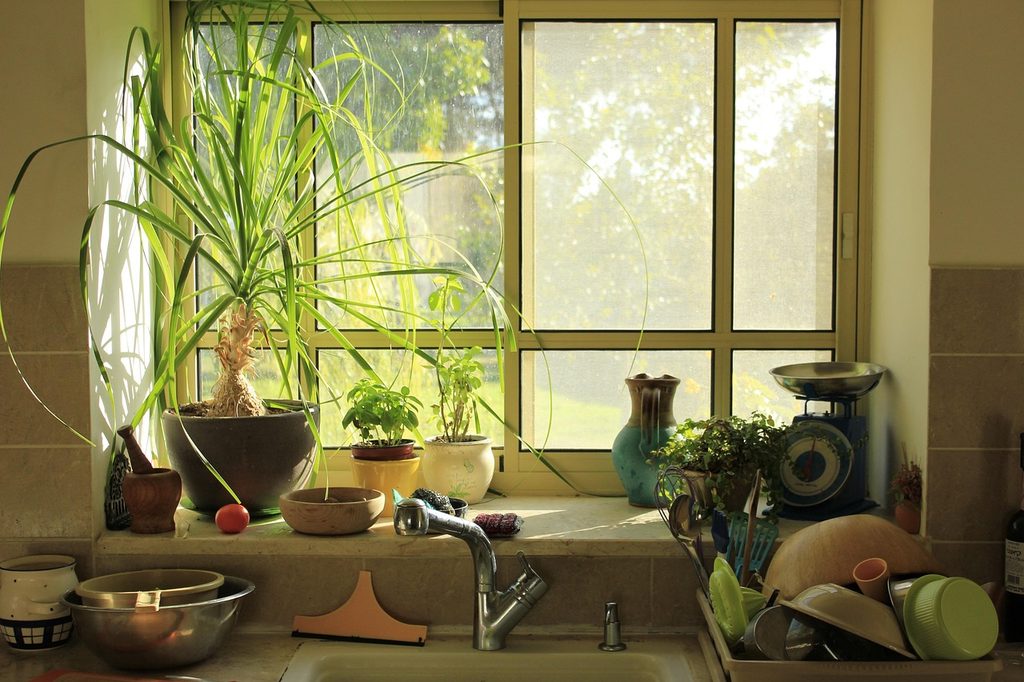
Materials that carry the look
Natural wood, stone and clay tile
Three lists agree on the core. Houzz recommends natural wood cabinetry, natural stone counters, rustic brick or stone floors and a backsplash of hand-painted patterned tile. HGTV adds terra-cotta Saltillo tile, notes that lighter hardwood floors are also common, and shows arched cabinets and wrought iron accents.
Beams and warm metals
Overhead, Houzz points to rough-hewn or reclaimed beams, and PureWow lists reclaimed wood and wooden beams for the modern version. The metals are warm tones: Houzz names brass and copper, and HGTV shows wrought iron in pot racks, fixtures and lanterns. Pick one family so the room reads as one story.
Patterned tile and choosing a hero material
Houzz suggests a hand-painted backsplash in a patterned tile, or solid tiles in geometric shapes laid out with a pro. Layout decides whether it reads as crafted or busy, so our guide to bathroom tile pattern ideas is worth a look for pattern logic, even though it is written for bathrooms.
For a quieter take, choose one hero material, such as a limestone wall or a clay floor, and let the cabinets stay simple. Our rundown of the best materials for a kitchen remodel compares the surfaces you touch daily, and our countertop materials guide covers the stone options in more depth.
A palette that borrows from clay, stone and sea
Neutrals, earth tones and sea colors
Houzz splits the palette into three groups. The neutral backdrop is alabaster, parchment, straw and stone. The warm earthy group is clay, cinnamon and terra cotta. The oceanic group runs from azure and cobalt to moss and sea green. HGTV frames the same idea as the blues, yellows and greens of sun and sea.
A quieter modern palette
The modern version pulls back. PureWow suggests taupe or ecru undertones, honey in place of terracotta, a few soothing pops of blue and a muted green island. That is a good rule: let neutrals cover most surfaces and give the color moment to one element, such as the island, a tile or a pair of pendants.
Cabinets are the largest color decision. HGTV shows soft gray and blue cabinets alongside dark wood, PureWow favors light oak, and Houzz favors natural wood. Our kitchen cabinet trends guide shows how finish choices are shifting if you want to compare.
Terracotta floors need a sealing plan
Porosity and sealing before grout
A clay floor is the most recognizable move and the most demanding. Clay Imports, a tile supplier, says Saltillo is natural clay fired at low temperature, extremely porous, with no surface glaze, so it absorbs liquids, dust and oils quickly. It adds that unsealed tile will permanently stain if grout touches it before sealing.
Sealer coats and curing time
The same supplier says most installations take 3 to 5 thin coats of sealer, with at least an hour between coats. Light foot traffic can follow after 12 to 24 hours, and a full cure can take up to 72 hours. It also notes that most of its own Saltillo ships pre-sealed, so ask whether your tile arrives pre-sealed.
Cleaning and checking the sealer
Upkeep is simple but regular. Clean with a pH-neutral cleaner and test by placing a few drops of water on the surface, because tile that darkens quickly may need a fresh coat. Film-forming sealers can need reapplication over time, depending on traffic. Our guide to planning a modern kitchen remodel without overspending shows where ongoing costs belong in the budget.
Limestone and travertine etch
Acid sensitivity and etching
Stone is the second signature, and the etching risk is the second catch. The Natural Stone Institute, a trade association, says calcareous stone is made mainly of calcium carbonate and is sensitive to acids, and that products with lemon, vinegar or other acids may dull or etch it.
American Olean, a tile manufacturer, says marble and limestone react to mild acids such as lemon juice, vinegar and sliced tomatoes. The result is an etch, not a stain, and it cannot be removed without refinishing the stone. It also says light marble and nearly all limestone are prone to staining. Ask your stone supplier how a specific travertine behaves.
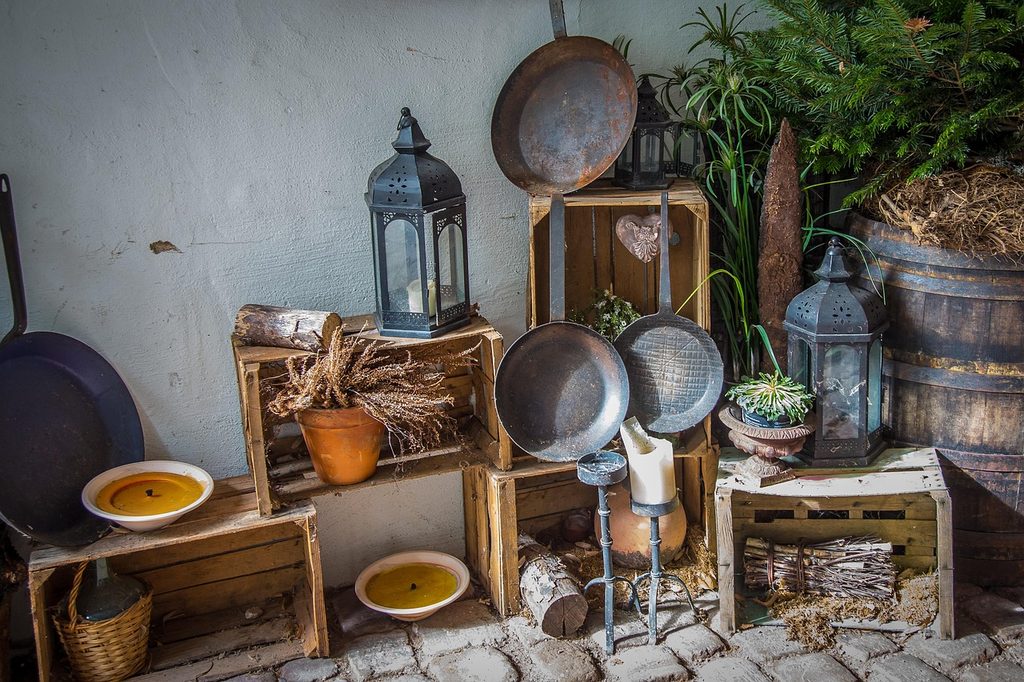
Sealing and stain resistance
Sealing helps but has limits. The Institute says sealers are stone impregnators that repel liquids rather than truly seal the stone, so they make it stain resistant and not stain proof. American Olean strongly recommends sealing every couple of years. American Olean adds that settings with likely acid exposure call for careful stone selection, so tell the supplier how you cook. Our tips to help you save when remodeling explain how to weigh upkeep against price.
The plaster hood and its structure
Hood design and structural planning
The plaster hood is the style’s showpiece. PureWow says the modern version favors clean-lined hoods or a stone-finished nook carved out around the range, rather than ornate corbels. Plaster also adds weight, so the hood needs structural planning from the start.
Supporting and finishing a plastered hood
Hoodsly, a hood maker, says plastering a wooden hood makes it heavier, so additional support is required. It recommends plastering after installation on the wall, which prevents plaster cracking and eases installation, and testing the finish on a spare piece first. Confirm ventilation and clearances with your cabinet maker and the local building department, because rules vary by city.
Pair the hood with a cooktop that suits the look. PureWow pairs the modern style with a sleek induction cooktop, and Tuscan with ornate gas ranges. Our guide to layered kitchen lighting explains how to light a sculptural hood so its curves show.
Sequencing the three finishes
The three high-upkeep finishes share one rule: order matters. Clay Imports says unsealed Saltillo must be sealed before grouting, or the grout seeps into the pores and stains the surface permanently. Hoodsly says to plaster the hood after it is installed. And the Natural Stone Institute says to ask your stone supplier whether your stone needs an impregnating sealer at all.
That makes a simple schedule. Tile and sealing come before the cabinets and appliances that could scuff them. The hood is hung before the plaster goes on. Stone is templated and sealed per the fabricator. Give each trade a written order of operations, since a plaster crew and a tile crew can undo each other’s work. Writing the schedule down costs nothing and prevents rework.
Lighting, iron and brass
Houzz recommends oversize lanterns, candelabra fixtures and pendants in wrought iron, hammered metal and reclaimed wood, with a dimmer switch so the room can shift from prep to dinner. HGTV shows iron pendants over islands and a trio of lanterns, which gives the room visual weight without clutter.
Hardware should follow the same metal family. Houzz names brass and copper as warm metals, so match drawer pulls, faucet and fixtures to one or two finishes instead of mixing many. Our post on lighting design tips for a kitchen atmosphere shows how to layer task and mood light.
Keeping the style from becoming a theme
The risk with any named style is the theme-park effect, where every surface announces its origin. The cure is a firm edit. Pick two or three signature moves, such as a clay floor, a plaster hood and one painted tile backsplash, and keep everything else quiet and plain.
I tell clients to hold the hero count to three, because each extra statement makes the others work harder. Our look at minimalist kitchen design shows how plain surroundings frame a few strong pieces, and our post on working with a kitchen and bath designer explains how a designer edits the list before anything is ordered.
FAQ
Updating an existing Tuscan kitchen
PureWow’s comparison suggests where to start: lighten the color story toward taupe, ecru and honey, and trade ornate hardware and details for cleaner lines. Cabinets, floors and counters are bigger moves, so decide whether the existing materials still earn their place before replacing them.
Cabinet finishes for a Mediterranean kitchen
Published guides disagree, which is useful. Natural wood is Houzz’s pick, light oak is PureWow’s modern choice, and HGTV shows soft gray and blue. Choose the finish that fits your flooring and light, then order a large sample and view it in morning and evening light.
Beams and ceilings
Houzz and PureWow both mention reclaimed or rough-hewn beams. Before adding any beam that might carry load, check with your contractor and the local building department. A structural question deserves a professional answer, not a guess.
Next step: a short conversation
If you are planning a Mediterranean-inspired kitchen in Sonoma, Napa or Marin, book a free discovery call. It is an honest conversation about your home, with no sales pitch and no obligation. Ask for our free “Planning your remodel budget” guide, and use the contact page to start. You can also see how a project runs, from first sketch to final walkthrough, on our process page, or browse the project gallery for finished kitchens.