
Zellige tile is a handmade glazed clay tile that arrives uneven on purpose, and that is both the appeal and the cost. Sellers list authentic tile at about $18 to $40 per square foot for material alone, and one designer adds a labor premium of 20 to 35 percent. So the real question is not whether you like the look, but whether you will live with the variation.
This guide covers what you are buying, the surface irregularities that drive labor, the places where sellers disagree on grout and sealing, how much extra to order and where to skip it. Almost every source on this tile is a seller, so the text names each one, and this guide found no independent price data for Marin, Sonoma or Napa. If you are still comparing surfaces, our guide to kitchen countertop materials shows what sits beside a tile wall.
Zellige tile and what you are actually buying
Authentic handmade zellige
Authentic zellige comes from a Moroccan craft tradition centered on Fez. Tiles of Ezra, an importer, describes tiles molded from natural clay, glazed by hand, fired in traditional kilns and then cut by hand into their final shape. It says the hammer-and-chisel cutting leaves softly irregular edges, which is why a perfectly straight, mechanical edge suggests a different product.
That matters because the market is mixed. The same importer claims imitations are increasingly sold at similar prices without disclosure, though that is a seller’s claim about competitors. Ask a supplier where the tile was made, how it was graded, and what happens to the tiles that fail.
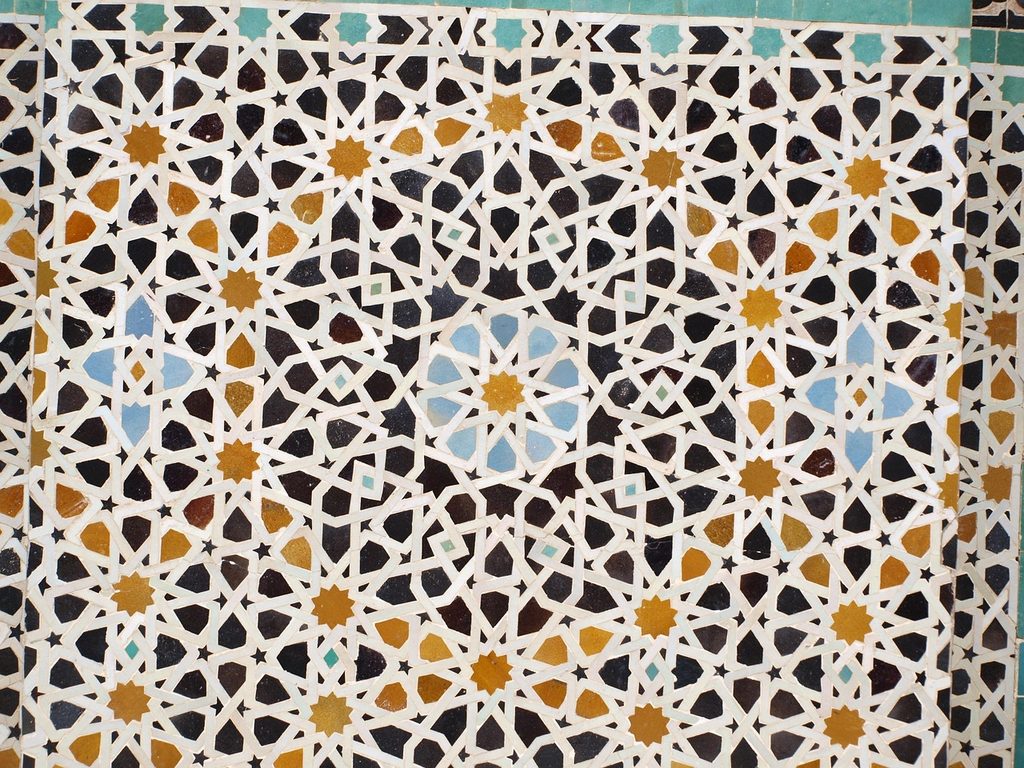
Zellige-look porcelain alternatives
There is also a factory alternative. South Florida Kitchen & Bath Design lists porcelain zellige-look tile at $6 to $14 per square foot for material, against $18 to $40 for authentic imported tile. Mineral Tiles says these glazed zellige-style tiles carry a built-in glaze and do not need sealing, and that they hold up better in busier areas.
Neither choice is wrong, but they are different purchases. The handmade tile gives you a depth of glaze and an irregular surface, and the look-alike gives you a more uniform surface that Mineral Tiles calls more durable. Our look at the best materials for a kitchen remodel can help you decide where handmade character is worth the extra spend.
Surface variation you pay for
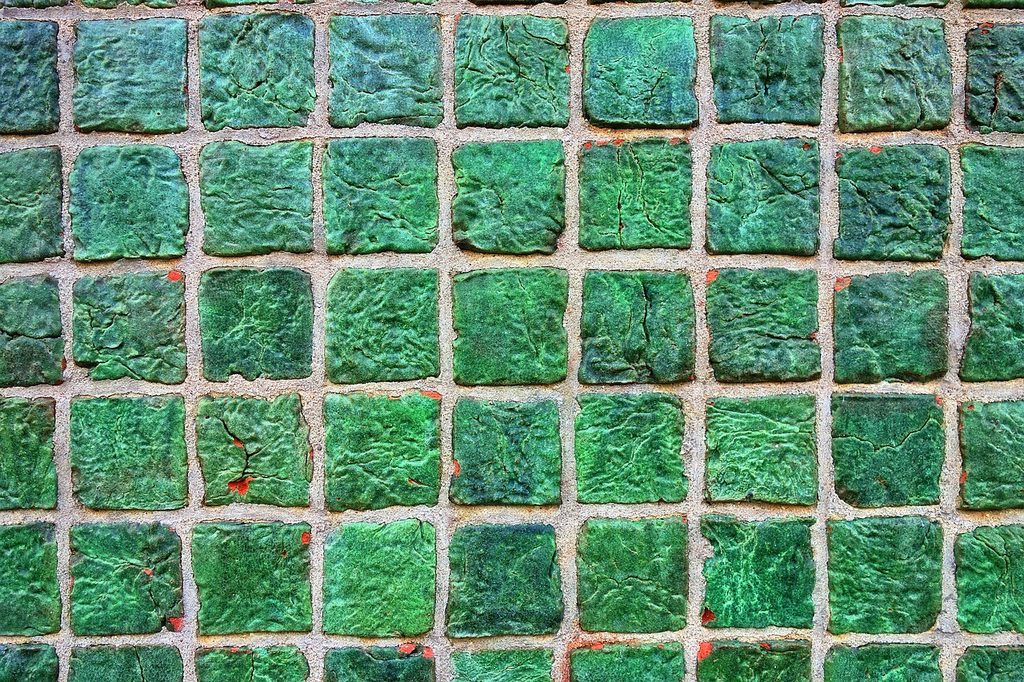
Zia Tile, an importer, says each piece is made by hand and that extreme variation in color, shape and thickness is expected. It lists irregular edges, crazing, pits and small hairline cracks as part of the traditional look. It also says about 15 to 20 percent of the tiles in an order will have imperfections.
Thickness is the part that costs labor. Mineral Tiles says the varying thickness makes it harder to correct an uneven wall, and Zellaro Tile says installers should flatten the substrate and vary the thinset depth tile by tile instead of relying on one trowel pass. That is more time per square foot, which likely explains the labor premium.
The tile industry has a name for the result. The Tile Council of North America defines lippage as the variation in height between adjoining tiles, citing ANSI A108.02, and says allowable lippage is the tile’s actual warpage plus the allowance in the standard’s table. The page does not say how handmade zellige is treated, so this guide does not claim the standard excuses or condemns it.
What you can do is decide before tile day. Look at a full sample board, not one tile, and ask your installer to show a finished wall set in similar tile. Our guide to bathroom tile pattern ideas shows how layout choices can hide or highlight variation, and our minimalist kitchen design piece shows why a plain room lets the tile do the talking.
Grout width and where sources disagree
Grout is the clearest disagreement. Zia Tile says the traditional method lays tiles edge to edge or with a 1/16 inch joint, and recommends at least 1/8 inch on floors. Mineral Tiles says 1/16 inch or less for a tight-set look, 1/8 inch for visible lines, and 5 to 10 millimeters if you want grout as a design element.
An author in Construction Specifier, a trade magazine, takes a more cautious view. The author writes that wider joints minimize irregularities and that the author never recommends a joint under 4 millimeters, about 1/8 inch, because a 2 millimeter joint is too narrow to fill the joint depth and grout may come loose. The author also warns that tiles pressed together can chip at the edges.
The table lays out the three positions. None of them is a code requirement, so treat the choice as a conversation with your installer, in writing, before the tile is ordered.
| Source | Type | Grout joint advice |
|---|---|---|
| Zia Tile | Importer | Edge to edge or 1/16 inch; 1/8 inch minimum on floors |
| Mineral Tiles | Retailer | 1/16 inch or less tight-set; 1/8 inch common; 5 to 10 mm as a design choice |
| Construction Specifier author | Trade writer | Never under 4 mm (1/8 inch) |
Adjusting joint spacing and grout color
Zellaro Tile adds a layout point. It says standard spacers lock in uniform joints, so lines drift as the wall goes up, and it recommends hand-wedged spacing, adjusted tile by tile. That is slower, but it is how an uneven edge gets a believable joint.
Grout color changes the read too. South Florida Kitchen & Bath Design says white grout emphasizes individual tiles, tone-on-tone grout makes a wall look continuous, and dark charcoal grout creates a graphic grid. Our guide to layered kitchen lighting shows how light across the surface exaggerates every ripple and shadow.
Sealing and wet areas
Sealing schedules and supplier guidance
Sealing advice varies by seller. Zia Tile says only unglazed natural zellige needs a penetrating sealer before grouting, plus a sealer after grouting in areas with constant moisture such as showers. Mineral Tiles says authentic handmade tile, especially unglazed or lower-fired, should be sealed, and that it should be resealed every few years.
South Florida Kitchen & Bath Design gives the most frequent schedule: a penetrating sealer on the tile face in showers, reapplied annually, and a spray-on grout sealer once a year behind a range. So three sellers give three schedules. The sensible move is to ask the tile’s own supplier for the sealing schedule in writing and keep it with your project paperwork.
Waterproofing and wet-area suitability
Water needs more than sealer. Mineral Tiles says shower walls need cement board or a waterproof membrane first, and Zia Tile says the surface must be stable and waterproof before tile goes up. Mineral Tiles also says handmade tile should be avoided on high-traffic floors or where freeze-thaw cycles occur unless the maker approves it.
For bath projects, our look at the best tile and flooring options for a modern bathroom remodel puts a zellige wall next to other choices. Remember that this tile needs a waterproofing plan before it is chosen, and a grout sealer after.
Cost of zellige tile
Here are the published numbers, with their sources. They are vendor figures, not a market survey, and the installed totals come from a single Palm Beach County firm.
| Item | Range | Source |
|---|---|---|
| Authentic zellige, material only | $18 to $40 per sq ft | South Florida Kitchen & Bath, August 2026 |
| Zellige list prices | $19.85 to $38.85 per sq ft | Zia Tile collection page, October 2026 |
| Porcelain zellige-look, material only | $6 to $14 per sq ft | South Florida Kitchen & Bath, August 2026 |
| Standard backsplash, 20 to 30 sq ft, installed | $1,200 to $2,800 | South Florida Kitchen & Bath |
| Backsplash behind a range, 30 to 50 sq ft, installed | $2,400 to $5,500 | South Florida Kitchen & Bath |
| Labor premium over standard rates | 20 to 35 percent | South Florida Kitchen & Bath |
Projects Within Reach has not published tile prices, and this guide does not invent any. Local labor rates in the Bay Area may differ, and this guide found no independent county-level figure, so use the table to compare tiers, not to set a firm budget.
The honest advice is to put the tile in the context of the whole kitchen. Our post on planning a modern kitchen remodel without overspending shows where a feature wall sits, and our tips to help you save when remodeling show what to trim other lines if you splurge on a feature wall.
Ordering extra and approving a mock-up
Overage for cuts, variation and breakage
Order more than you think. Zia Tile says a minimum of 15 percent overage is strongly recommended to cover cuts, variation and breakage, and that anyone wanting a more uniform look should add 20 to 25 percent so the installer can skip imperfect tiles. That is a quarter more tile on the high end, so build it into the budget early and confirm the return policy.
Ordering from one batch
Color needs care as well. Zia says a sample may not match your order exactly, and tiles added later may be made at a different time, with more variation in color, shape and size. So order everything at one time, and ask the seller what its policy is on later batches.
Blending boxes and approving the layout
Mix the boxes before setting. Both Zia Tile and Mineral Tiles say to blend tiles from all boxes and lay them out first, and Mineral Tiles adds that you should approve a layout mock-up before permanent setting. Zellaro Tile calls the same step dry laying, to balance color and texture before any thinset touches the wall.
Installer and layout choices
Choosing an experienced installer
Hire for handmade tile experience. Mineral Tiles says a skilled installer familiar with handmade tile is recommended, and Zia Tile asks buyers to read its guide with their installer. Our post on working with a kitchen and bath designer explains who coordinates these details between tile, plumbing and waterproofing.
Thinset, cutting and exposed edges
Several setting details recur across sellers. Mineral Tiles says to use white polymer-modified thinset because zellige glazes can be translucent and gray thinset may show through, and to avoid mastic. Zia Tile says to butter the back of each tile and to use a water-cooled saw, and Zellaro says a fresh blade and slow cuts protect the glaze.
Edges are a layout decision. Zia Tile recommends mitering exposed edges at 45 degrees, which means cutting two tiles into a corner. That costs more than a plain trim piece, so ask whether the design needs it.
Best uses for zellige and places to skip it
Where zellige works best
Zellige suits backsplashes and shower walls best, where the surface is vertical, low in traffic and viewed up close. It also suits feature areas, like the wall behind a range or a powder room. South Florida Kitchen & Bath Design recommends against high-traffic kitchen floors, and Mineral Tiles says to avoid busy floors, so a kitchen floor is the place to choose something else.
When to choose another tile
Skip it if you want a flat, even wall or a grout line you can measure with a ruler. Skip it if you will not seal and reseal, or if you dislike the idea that your tile arrived with chips and pits. A zellige-look porcelain tile may give you more of what you want at a lower price.
Choose it if you enjoy handmade character and are willing to pay for a careful install. It pairs well with plain cabinets and simple counters, and our overview of kitchen design trends shows where natural, textured finishes are going. Our warm versus sleek aesthetics guide can help you decide which side of that line you sit on.
I tell clients to hold a full sample board against their cabinets and counters in the room’s real light before deciding, because small tiles in a showroom behave differently on a whole wall. A look through our project gallery can also show how different tile finishes read in real homes.
FAQ
Zellige in a shower
Sellers say yes, with conditions. Mineral Tiles says cement board or a waterproof membrane must go behind the tile, and Zia Tile says to use a penetrating sealer after grouting where moisture is constant. Confirm the tile’s own wet-area rating with the supplier first.
Zellige-style porcelain as a substitute
Porcelain versions copy the look at a lower price, per South Florida Kitchen & Bath, and Mineral Tiles says the glazed versions need no sealing. You give up the handmade irregularity, which may be exactly what you want or exactly what you are paying to avoid.
Cleaning zellige tile
Mineral Tiles says to avoid abrasive cleaners, to prevent damage, and to reseal every few years. Ask your supplier for its cleaning instructions in writing, since the safe products depend on whether the tile is glazed, unglazed or sealed.
Next step: a short conversation
If you are weighing zellige against a simpler tile, book a free discovery call. It is an honest conversation about your home, with no sales pitch and no obligation. Ask for our free “Planning your remodel budget” guide, and use the contact page to start. You can also see how a project runs, from first sketch to final walkthrough, on our process page.