
Quartz and quartzite sound like cousins, and in a showroom they often get used as synonyms. They are not. Engineered quartz is a factory-made slab of crushed quartz and resin, while quartzite is a natural rock cut from the ground. The Natural Stone Institute says the two names are sometimes used interchangeably, and that is the first thing to straighten out before you compare a price.
This guide sets the two side by side with named sources, and it labels which claims come from a manufacturer and which from an independent test. No dataset prices stone in Marin, Sonoma or Napa on its own, so the cost figures are national or vendor estimates. If you are still weighing every surface, our complete guide to kitchen countertop materials is the wider starting point.
Quartz names three different things
Start with the word itself. The mineral called quartz is the main ingredient in both products. Quartzite is a metamorphic rock, and the Natural Stone Institute says every quartzite is made of 100 percent minerals. Engineered quartz is manmade stone, built from quartz particles bonded together with polymer resin, pigments and other ingredients.
The famous 93 percent quartz figure needs a footnote. According to the same Natural Stone Institute article, that number is a stated maximum, and it is measured by weight, not volume. The article’s example, a product called PentalQuartz, is about 88 percent quartz by weight and about 74 percent by volume share. The resin is lighter than the stone, so it takes up more of the surface than the headline suggests.
A second confusion sits on the natural side. The Natural Stone Institute has warned that some slabs sold as quartzite are marble or dolomitic marble. Our November guide to quartzite covers the glass and acid tests for that problem, so this guide does not repeat them. For now, remember that a label can mislead in both directions, which makes the slab name on your quote worth a second read.
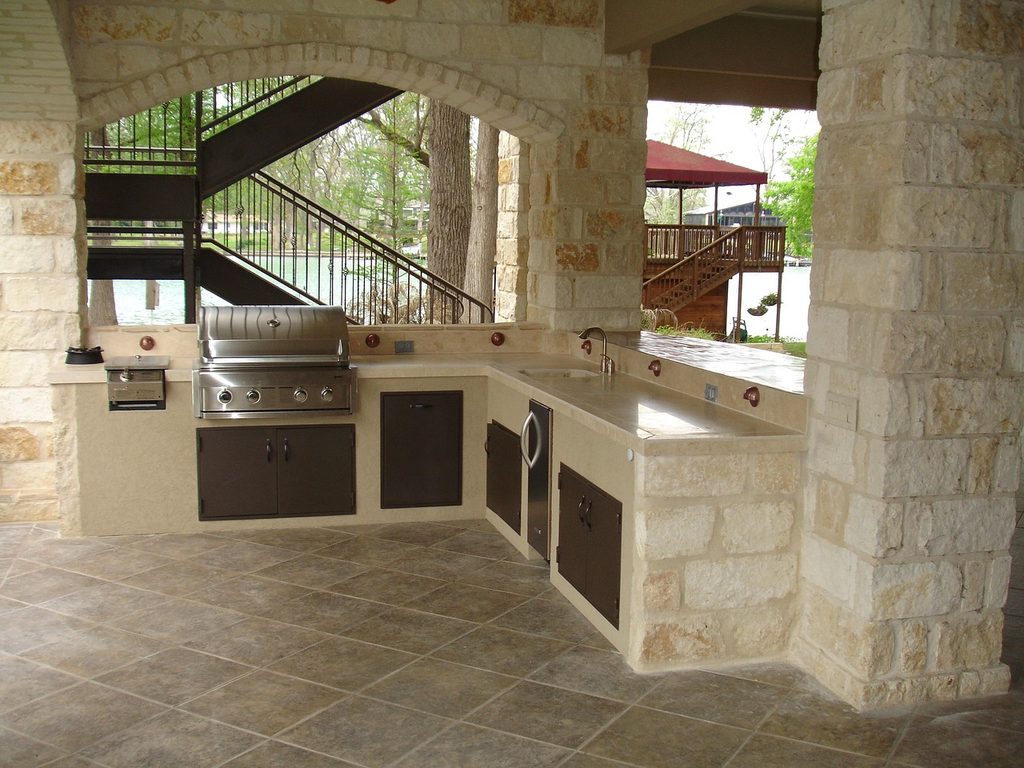
Quartz vs quartzite in one table
The table shows how the two materials differ on the points that change daily life. The last column says who is making each claim, because a manufacturer’s page and a stone-industry page both have a stake in the answer.
| Question | Engineered quartz | Natural quartzite | Who says so |
|---|---|---|---|
| What is it | Quartz particles bound with resin and pigment | Metamorphosed sandstone, all minerals | Natural Stone Institute |
| Porosity | Low, water absorption up to 0.02 percent by weight | Varies by stone | NSI, citing Breton |
| Sealing | “Never needs sealing” | Depends on porosity | Cambria, NSI |
| Heat | Protect from heat | More heat resistant, trivet still advised | NSI, Cambria |
| Sunlight | Resin can yellow | Weather and UV do not affect it | NSI |
| Pattern | Consistent slab to slab | Natural variation | Cambria |
| Crystalline silica | Under 0.2 to 95 percent | 95 percent or more | OSHA |
Two sources here sell products and one promotes natural stone. Cambria makes engineered quartz, and the Natural Stone Institute is a natural-stone group. Read the table as two sides of a debate, with federal OSHA data as the referee on silica.
Heat, sun and scrubbing
Heat resistance and hot cookware
Heat is where the sources disagree most. The Natural Stone Institute ran skillet tests in 2019 on two engineered quartz samples. A hot dry skillet left a temporary mark on one that wiped off, and a hot oily skillet left a permanent haze on the same sample. The other sample took a stain from the oil that faded over several days.
That test did not include quartzite, so it says nothing direct about the rock. Cambria says quartzite is more heat resistant than quartz, yet it still recommends a solid trivet for either surface. HomeGuide’s 2023 comparison also notes that quartz is damaged by high heat. I tell clients to keep a trivet by the stove for either one.
Sunlight and outdoor use
Sunlight matters if the counter sits in a bright window or on a patio. The Natural Stone Institute left slabs outdoors for months, and the resin binder in engineered stone turned yellow. HomeGuide says UV rays may change quartz color and does not recommend it outdoors. Quartzite, by contrast, is not affected by weather or UV, according to the institute.
Cleaning and abrasive products
Scrubbing is the quiet failure. In the institute’s tests, Bar Keepers Friend left distinct hazy areas on both engineered quartz samples, while the granites were unaffected. Check the manufacturer’s cleaning rules before the counter goes in. Our overview of layered kitchen lighting shows how light direction changes what a surface reveals.
Sealing and stains without the sales pitch
Engineered quartz: sealing and stain resistance
Cambria’s comparison page says quartz never needs sealing and calls it maintenance free, while quartzite requires regular sealing. The independent evidence is more mixed. The Natural Stone Institute says engineered quartz is low in porosity, and its tests found one sample with moderate stains from turmeric and food coloring that lightened but did not fully disappear.
Natural quartzite: sealing depends on the slab
For quartzite, the answer depends on the stone. The institute’s care guide says stone porosity varies, so sealing can range from not needed to needed at installation and again at intervals. It names White Macaubas and Calacatta Macaubas as porous varieties that may benefit from a sealer. Ask your fabricator for the specific slab’s sealing advice in writing.
So neither surface is maintenance free in practice. Engineered quartz asks for heat discipline and gentle cleaners, and quartzite may ask for an occasional sealer coat. If you prefer a restrained palette, our guide to minimalist kitchen design shows which finishes sit well beside either surface.
Pattern, veining and slab choice
Cambria says quartzite’s natural variation from slab to slab can make it challenging to match pieces within one installation, while engineered quartz keeps consistent patterns. That is a manufacturer’s view, but it matches how the materials form. A rock has natural veining that shifts across a slab, and a factory slab repeats a designed pattern.
For a designer, this decides where the stone goes. A kitchen with a long perimeter and a large island may need several slabs, and the pattern match between them is part of the look. Our look at kitchen islands that steal the spotlight covers the island as a focal point.
Choose from the actual slab, not a sample square. A small sample hides the veining range, and cabinet color changes how the stone reads. Our roundup of top kitchen cabinet trends helps you pick a cabinet color before you commit to a slab.
Cost, with dates
Price is rarely the tiebreaker. The published ranges overlap so heavily that the material category alone will not predict your quote. The table lists each range with the source and date, because a 2023 vendor page and a 2026 one are not the same kind of evidence.
| Material | Source and date | Installed, per sq ft | Typical kitchen, 30 to 40 sq ft |
|---|---|---|---|
| Engineered quartz | HomeGuide, December 2023 | $50 to $200 | $1,500 to $8,000 |
| Quartzite | HomeGuide, December 2023 | $65 to $150 | $1,950 to $6,000 |
| Quartzite | SlabWise, July 2026 | $60 to $200 and up | Most projects $80 to $140 per sq ft |
SlabWise, a software vendor, also says labor in San Francisco or New York runs 30 to 50 percent above mid-sized Midwest markets. That is one vendor’s claim, and this guide found no county-level data to test it. Treat any number here as a way to compare material categories, then get same-layout quotes from two fabricators. Our guide to planning a modern kitchen remodel without overspending shows where a countertop sits in the total budget.
Edges and sink cutouts add to the quote too. HomeGuide puts engineered quartz edges at $10 to $60 per linear foot. For more ways to protect your budget, see our tips to help you save when remodeling.
Silica and California’s fabrication rules
Both materials are rich in crystalline silica, and OSHA’s publication on countertop work focuses on fabrication and installation. It lists quartzite at 95 percent, engineered stone from under 0.2 to 95 percent and granite at 10 to 50 percent. Cutting and grinding release respirable dust, which can cause silicosis.
California is acting on the engineered side. In May 2026, the state’s Occupational Safety and Health Standards Board voted to begin the process of prohibiting artificial stone products with more than 1 percent crystalline silica from being fabricated and installed. That vote started a formal rulemaking. This guide found no evidence that a prohibition is in effect, so it does not say one is.
SB 20, signed in October 2025, classifies silicosis as a serious illness and requires Cal/OSHA and the state health department to share case information. For a homeowner, the practical step is a fabricator question: ask how the shop controls dust, and ask whether it is following the state rulemaking if you are choosing engineered stone. OSHA advises doing as much work as possible in a controlled shop instead of on site.
A good fabricator answers that plainly. Our guide to working with a kitchen and bath designer explains who coordinates those questions during a countertop remodel.
A verdict by household
When engineered quartz fits your household
Pick engineered quartz if you want the same look across every slab, you cook with care and use trivets, and the counter stays indoors out of direct sun. Its manufacturers say it never needs sealing, and the Natural Stone Institute agrees it is low in porosity. Its limits are heat and sunlight, and you should confirm the brand warranty in writing.
When natural quartzite fits your household
Pick natural quartzite if you want natural veining and are happy to choose from the slab itself. It suits a bright room or an outdoor kitchen, because the institute says weather and UV do not affect it. Be ready for a sealing conversation and for stone that varies from slab to slab.
What to expect from everyday upkeep
A household that wants zero upkeep should hear the honest answer: neither material gives it. The family that cooks hard needs good trivets either way, and the family with strong sun needs to rule out engineered quartz. Our guide to the best materials for a primary bathroom remodel applies the same thinking to vanity tops.
If you are torn between the two, put both slabs in your own light and compare. For lower-impact choices, our guide to eco-friendly kitchen renovations covers sustainable material options. Our notes on smart kitchen design tips show how the daily routine should shape the surface.
FAQ
Outdoor kitchen use
The Natural Stone Institute says quartzite is at home in outdoor kitchens, because weather and UV do not affect it. HomeGuide advises against engineered quartz outdoors, since UV may change its color. Ask your fabricator about sun exposure before you order.
Sealing engineered quartz
Cambria says its quartz never needs sealing because the surface is nonporous. The institute’s cited water absorption of up to 0.02 percent by weight points the same way. Even so, the manufacturer advises a hot pad and mild cleaning, so follow the care sheet for the brand you choose.
Cleaning products for each surface
The institute’s tests found that abrasive cleaners such as Bar Keepers Friend hazed engineered quartz. For quartzite, the institute’s care guide says to wipe up spills quickly and to use coasters, trivets and cooling racks. Cambria suggests warm water, a soft cloth and mild soap for its quartz.
Your next step is a conversation
Not sure which slab fits your kitchen? Book a free discovery call. It is an honest conversation about your home, with no sales pitch and no obligation. Ask for our free “Planning your remodel budget” guide while you are there, and use the contact page to start. You can also see how a project runs, from first sketch to final walkthrough, on our process page.